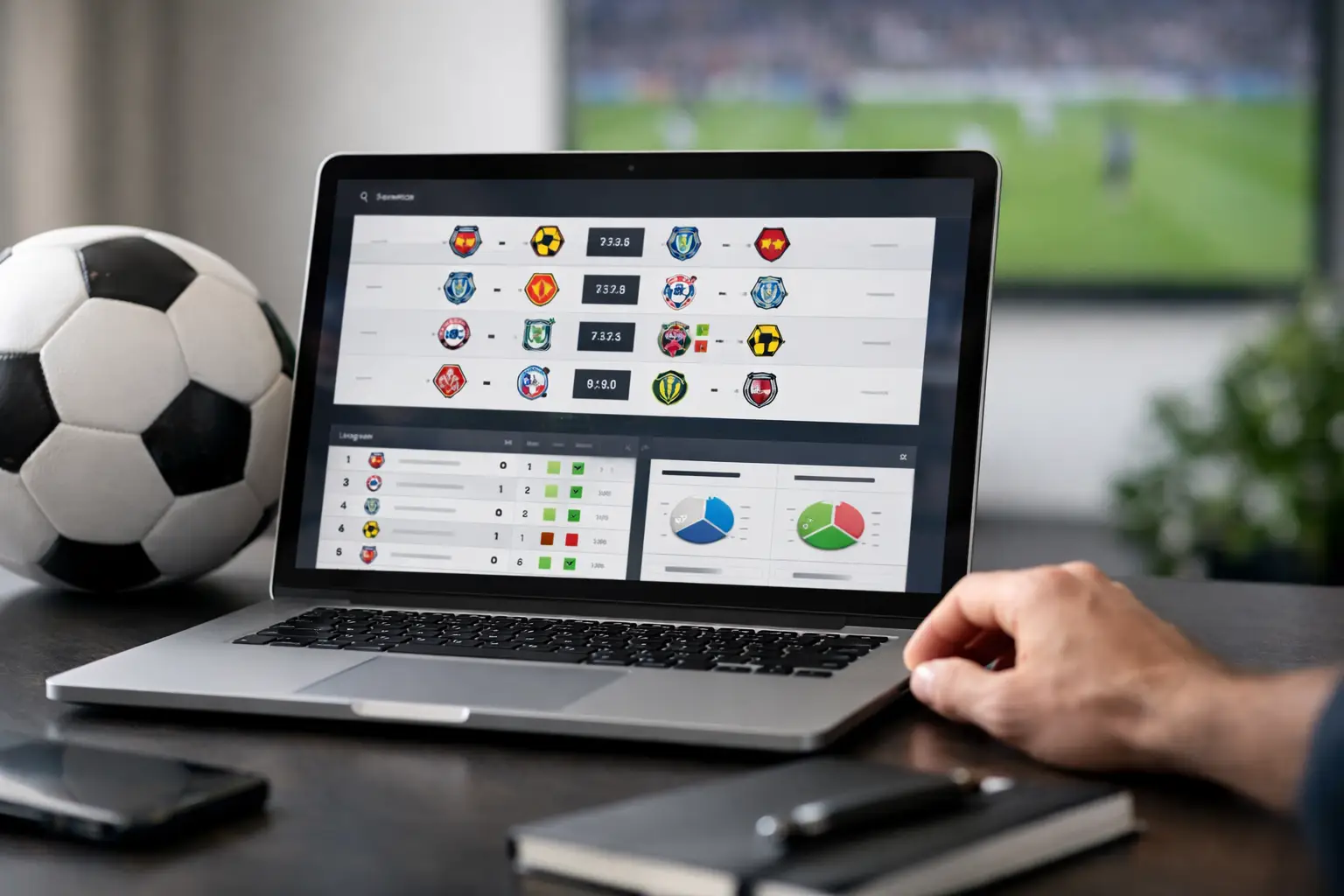
When a match finishes, most fans are not looking for decoration. They want the score, the key moments, and the wider impact on the table. A good premier league results page does that quickly. It gives the result first, then the context that helps the score make sense.
That sounds basic, but plenty of results pages still get it wrong. Some bury finished matches under fixtures. Some make you scroll too far for scorers, cards or kick-off times. Others load slowly or split useful information across too many screens. For football readers who check results several times a day, that friction matters.
Why the premier league results page matters
The Premier League moves fast. There are weekends when the table changes every couple of hours, and midweek rounds where fans are checking scores during work, on the train or between other commitments. In those moments, a results page is not just a list of completed matches. It is a live reference point.
For some readers, the final score is enough. For others, the result only starts the story. They want to know who scored, when the goals came, whether there was a red card, and what the outcome means for title races, European places or relegation pressure. The value of a page like this comes from how quickly it turns raw scores into usable football information.
That is why structure matters as much as accuracy. A results page should help readers move from one answer to the next without effort. If Manchester City win 2-1 away, the immediate question might be who got the winner. After that, it might be whether the result puts them top. The best pages support that natural sequence.
What fans expect to see first
The first job is obvious. Show the latest finished matches clearly, with teams, scorelines and competition labels where needed. There should be no doubt about whether a game has finished, is in progress or is still to be played.
Dates also need to be easy to scan. Premier League supporters often check results across a whole round rather than one fixture at a time. Saturday 3pm matches, late kick-offs and Sunday games all sit within the same wider picture. If the page breaks that flow, users end up hunting for matches that should be visible straight away.
Kick-off times should remain attached to results, even after full-time. That may seem minor, but it helps readers place matches in order and understand how the day unfolded. A supporter checking after the fact may want to know whether a rival dropped points before or after their own side played.
Scorers should come next. For many fans, the scoreline without goalscorers is incomplete. A 3-2 result tells you something, but not whether it was won with a stoppage-time strike, a brace from the centre-forward or an own goal that changed the match. That detail turns a score into an update worth reading.
The details that make a results page useful
A strong page does more than present numbers. It highlights the key match events that explain the result. Scorers, red cards, penalties and major substitutions are usually enough. There is no need to overload the page with every touch or stat if the aim is quick checking rather than full match analysis.
That balance is important. Too little detail and the page becomes thin. Too much, and it stops being a fast reference point. Most readers checking results are not asking for a full tactical report. They want the most relevant facts in one place, presented in the order they are likely to look for them.
League position is another useful layer. If a result sends a club into the top four or leaves them in the bottom three, that context should be visible without forcing the user to open a separate league table. Not every reader will need that, but enough will that it should be easy to find.
Form also adds value, though it depends on presentation. A short run of recent results can help readers judge whether a win was expected or whether it breaks a poor sequence. Done well, that gives immediate context. Done badly, it clutters the page. On a clean results page, form should support the result, not compete with it.
Speed matters more than extra features
Football supporters checking scores rarely have patience for slow pages. If a premier league results page takes too long to load or refresh, the reader will leave and check elsewhere. This is especially true on mobile, where most result checking now happens.
That has practical implications. Heavy graphics, oversized adverts and unnecessary widgets can get in the way of the page doing its main job. A football results page should feel quick because the intent behind the visit is quick. The user already knows what they want. The page should meet them there.
Mobile layout matters just as much as load speed. Results must be readable without pinching, zooming or tapping through multiple layers. Team names, scorelines and match status should be visible at a glance. If key details sit below blocks of unrelated content, the page stops being useful.
There is also a trust issue here. Fans tend to return to pages that feel dependable. Speed, clean structure and regular updates create that confidence. If a reader checks a site several times and gets the right answer immediately, that habit sticks.
Results versus live match pages
Not every football page has the same job. A live match page is built for minute-by-minute updates, changing momentum and in-play context. A results page is different. It is there to confirm what happened and provide the most important takeaways.
That distinction helps with design choices. On a live page, constant refreshes and detailed event logs make sense. On a results page, they can become noise once the final whistle has gone. Readers want the finished picture, not an endless replay of the whole timeline.
Still, there is some overlap. A short event summary can be useful, especially in matches with major turning points. If a team came from two goals down, or a late dismissal changed everything, that should be visible. The key is restraint. The page should respect the difference between checking a result and following a game as it unfolds.
What separates a good page from a poor one
The difference is usually not technical complexity. It is editorial judgement. A good results page knows what matters most to football readers and puts that information first.
A poor page often fails in familiar ways. It may prioritise visual effects over readability. It may hide finished scores behind tabs that are easy to miss. It may use inconsistent labels, so readers cannot tell whether they are looking at fixtures, live games or completed matches. These problems sound small, but they slow everything down.
Consistency matters across the season as well. Readers should not need to re-learn the page every time they visit. If scores appear in one place this week and somewhere else next week, trust drops. Football coverage works best when the basics stay dependable.
For a site built around football updates, this matters even more. Readers often arrive with a single goal, then stay if the page gives them enough context to keep browsing. A well-built results page supports that behaviour naturally. It does not force it.
The role of context after the final whistle
Results are rarely just results in the Premier League. A draw away to a top side may feel like progress for one club and two points lost for another. A narrow home win can matter less than the injury that came with it. Context is what turns a scoreline into something worth checking more than once.
That does not mean every result needs a long write-up. Often a short line on what the outcome means is enough. If a win extends an unbeaten run to five, if a defeat leaves a manager under pressure, or if the result changes the shape of the title race, that is useful context delivered efficiently.
This is where football readers get the most value. They are not only confirming that the match ended 1-0. They are understanding why that 1-0 matters. The strongest pages recognise that and provide just enough around the score to answer the next question before it is asked.
A premier league results page should be simple, fast and reliable. It should respect the reader’s time, surface the right details, and make the wider picture easy to follow. When it does that well, fans come back without thinking about it – which is usually the clearest sign the page is doing its job.