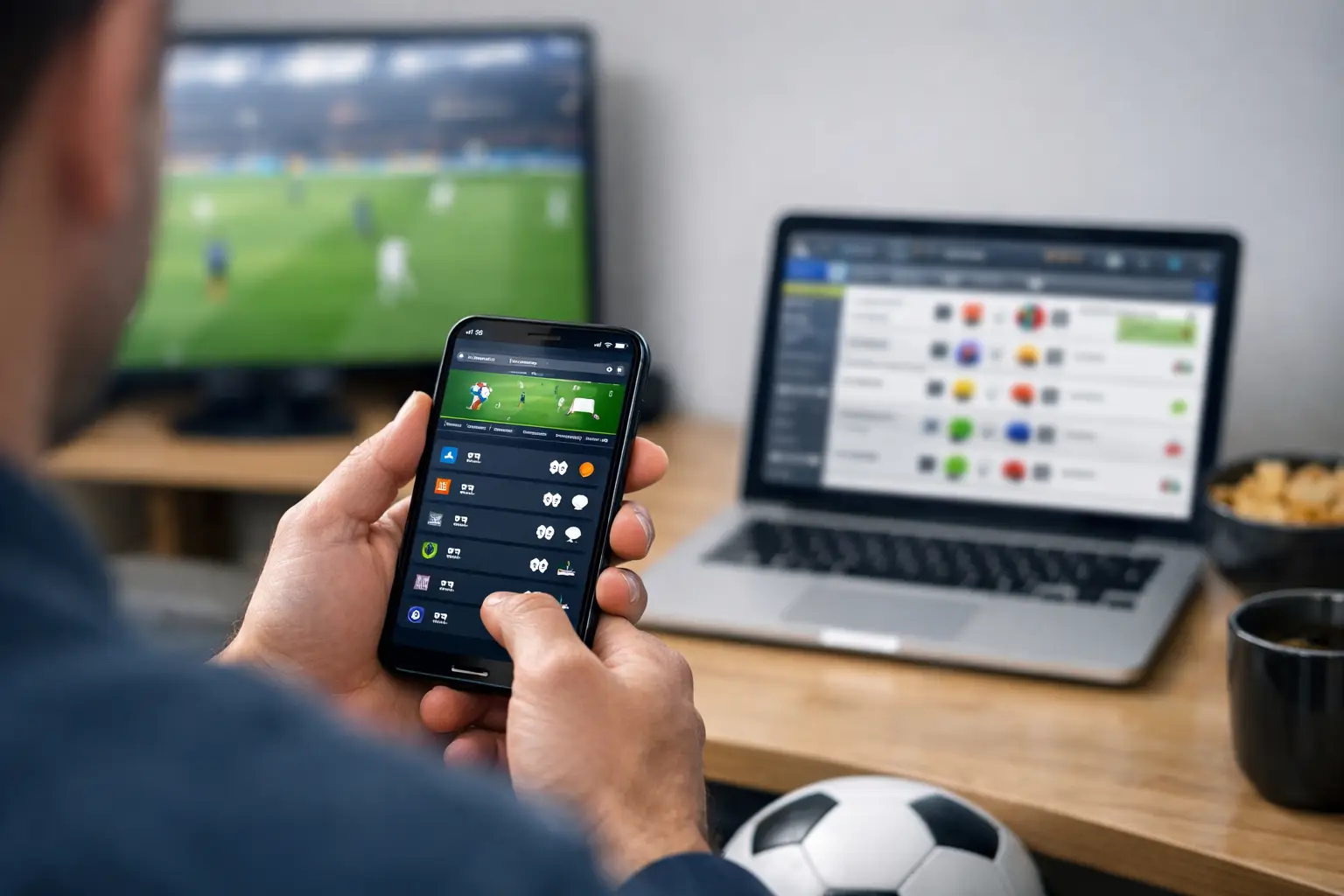
Missing a goal because you were on the train, at work or switching between apps is frustrating. If you want to know how to follow live football scores properly, the key is not checking more places – it is checking the right ones in the right order.
Most fans do not need ten tabs open and constant refreshes. They need one reliable match page, clear kick-off times, quick result updates and a simple way to keep track of more than one game at once. That matters even more on busy nights when league matches, cup ties and European fixtures overlap.
How to follow live football scores without wasting time
The quickest way to stay on top of a match is to build a routine around three things: fixtures before kick-off, live updates during the game and confirmed results after full-time. If one of those is missing, you usually end up jumping around trying to fill gaps.
Start with the fixture list. Before the match begins, check the kick-off time, competition and team news source you trust most. This sounds basic, but a lot of missed updates happen because fans confuse time zones, assume a game is at 7.45pm when it is actually 8pm, or do not realise there are staggered kick-offs across different competitions.
Once the match starts, stick to a dedicated live score page rather than general sports feeds. A football-first platform is usually easier to scan because it is built around goals, cards, substitutions, half-time and full-time rather than trying to cover every sport at once. If you are tracking several matches, that difference matters.
After the final whistle, move from live scores to confirmed results. This is where many people still get caught out, especially in cup matches. A scoreline at 90 minutes is not always the final outcome. Extra time, penalties and delayed official updates can change how the result is recorded.
Choose the right way to follow live football scores
Not every fan follows matches in the same way. The best method depends on whether you are tracking one club closely or monitoring a full evening of fixtures.
If you mainly follow one team, alerts are usually enough. Goal notifications, half-time updates and full-time results will cover most of what you need. This works well if you cannot watch live and only need key moments.
If you follow a league, a live scores hub makes more sense. You can see which matches are in play, which have reached half-time and which have finished without opening each fixture individually. That is often the quickest option on a Saturday afternoon or during a full midweek programme.
If you follow several competitions, organisation matters more than speed. Premier League, Championship, Scottish Premiership, Champions League and international fixtures can all overlap. In that situation, a football-only news and results site is usually more useful than social feeds, because the information is grouped by match and competition rather than mixed into a general timeline.
What makes a live football score source reliable
Speed matters, but accuracy matters more. A fast update is no use if it is wrong, delayed or unclear.
A good live score service should show the current minute, the score, goalscorers where available, red cards, substitutions and match status. Match status is the bit many fans overlook. You need to know whether a game is live, paused, at half-time, in extra time, suspended or finished. Without that, a scoreline can be misleading.
It also helps if the page clearly separates fixtures, live matches and results. That sounds minor, but it saves time when you are checking quickly on your phone. Clean structure matters more than flashy features when all you want is the score.
Another sign of reliability is consistency across competitions. Some services are strong on major leagues but weaker on lower divisions, domestic cups or youth internationals. If you follow football widely, test this before relying on one source.
Match alerts or live pages?
For most supporters, it is not really one or the other. It is both, used differently.
Alerts are best for convenience. If you are away from the television, on a break or moving about, they keep you close to the game without constant checking. They are also useful for matches you care about but are not following minute by minute.
Live pages are better when context matters. A goal alert tells you the score has changed. A proper live match page tells you when it happened, whether it came after pressure, whether a player was sent off two minutes earlier and how close the game is to half-time or full-time. If you are tracking form, momentum or several matches at once, that extra detail matters.
The trade-off is simple. Alerts are faster for casual checking. Live pages are better for understanding what is happening.
How to follow live football scores on busy matchdays
Busy football days can get messy quickly. The easiest fix is to decide what matters most before kick-off.
Pick your priority match first. That is the game you will open in full. Then choose your secondary matches, which you will monitor through a scores overview page. This stops you bouncing between five fixtures and missing the key moments in all of them.
It also helps to separate domestic and international football in your own routine. On some nights, England, Scotland, European club football and lower-league matches all run close together. Grouping them mentally by competition makes it easier to follow what is actually happening.
If you are checking from your phone, keep one tab for live scores and one for football news. News pages can explain absences, postponements and late squad changes that affect what you are seeing on the scoreline. For example, a surprising result often makes more sense once you realise there was an early red card or a heavily rotated starting XI.
Common mistakes when following live football scores
The biggest mistake is relying on social media as your main live score source. Social posts can be quick, but they are also uneven. Some accounts post instantly, others lag behind, and rumours or duplicate updates can make a match harder to follow rather than easier.
Another common problem is checking too many sources at once. If one says 1-0 and another still shows 0-0, you waste time trying to work out which is right. In most cases, it is better to trust one dependable source and use others only for added context.
Fans also forget that competition format changes how a score should be read. In a league match, full-time is simple. In a two-legged tie, the live score is only part of the story because the aggregate score matters. In cup football, extra time and penalties can completely change the result after 90 minutes. If you only glance at the headline score, you can miss the real position.
Following scores across leagues and competitions
If you regularly track football beyond one club, structure becomes more important than speed. You need to know where to go first depending on the day.
For weekend league football, start with the fixtures list and move to the live scores page once games begin. For cup rounds, keep an eye on whether matches can go beyond 90 minutes. For European nights, note the staggered kick-offs because early and late games can overlap. For international breaks, double-check times and squads because the normal club routine is gone.
This is where a site built around football categories is useful. You can move from Football News to Football Matches to Football Results without sifting through unrelated sports coverage. That saves time and makes repeat checking easier, especially during packed fixture periods.
A simple routine that works
If you want a practical answer to how to follow live football scores, keep it simple. Check fixtures first so you know what is on and when. Use one reliable live score page during the match. Turn on alerts for the games you cannot watch closely. Then confirm the final result, especially in knockout football.
That routine is enough for most fans. You do not need every stat, every post or every app open at once. You just need fast, accurate football updates presented clearly.
When football is moving quickly, the best setup is the one that lets you check the score in seconds and understand it straight away.
One thought on “How to Follow Live Football Scores Fast”
Comments are closed.