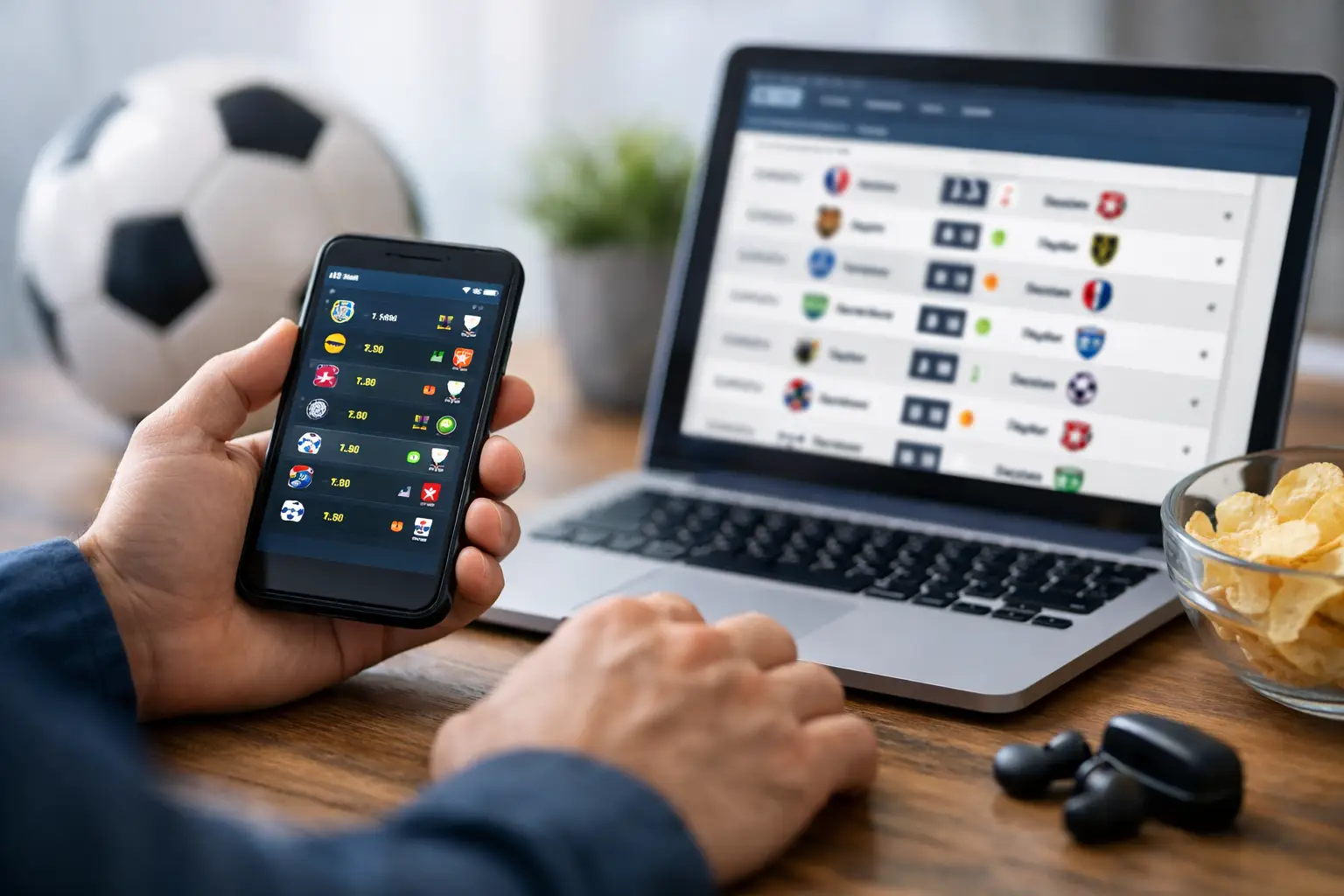
Missing a score is one thing. Misreading what it means is usually where the real confusion starts. A good football results guide is not just about finding the final score quickly. It is about knowing which result matters, what changed in the table, and whether the match tells you anything useful about form, pressure, or momentum.
For regular fans, results are part of a daily routine. You check a lunchtime kick-off, keep one eye on the 3pm games, then scan the evening fixtures to see what shifted. The problem is not a lack of information. It is too much of it, often presented without order. If you follow more than one league, a cup run, or international football as well, keeping track gets messy fast.
What a football results guide should actually do
The best football results guide keeps things simple. It should help you move from scoreline to meaning without wasting time. That means showing the final result clearly, but also placing it in the right competition, round, and match context.
A 2-1 win can mean three very different things. It might be a routine home result against weaker opposition. It might be a late comeback that changes the mood around a manager. Or it might be a narrow escape that leaves bigger questions than answers. Without context, the raw score only tells part of the story.
This is why organised football coverage matters. Fans usually want answers to a few basic questions straight away. Who won, who scored, when the goals came, and what changed because of it. In league football, that often means checking movement in the table. In cup football, it means seeing who went through, whether extra time or penalties were involved, and what the next tie looks like.
Start with the competition, not the headline
One of the easiest ways to read results properly is to sort them by competition first. That sounds obvious, but it saves time and cuts down on confusion.
League results tend to have a running effect. Every point matters, but not every dropped point has the same weight. A draw in August is not usually read the same way as a draw in April. If a side chasing promotion drops points at home late in the season, the result carries more pressure. If a team in mid-table does the same in early autumn, the reaction is often calmer.
Cup results work differently. The margin sometimes matters less than the outcome. A poor performance that still ends in progression is usually accepted. A good display ending in elimination is remembered less kindly. European ties add another layer, especially over two legs, where the first result may only make sense once the return fixture is played.
For anyone checking scores quickly, this is the first filter that helps. Know the competition, then judge the result.
How to read football results without overreacting
Fans react fast, and that is part of the sport. Still, results can be misleading if you only look at one match in isolation.
A win does not always mean a team played well. Late goals, red cards, heavy rotation, or a tired opponent can distort the picture. The same applies in reverse. A defeat away to a strong side might not say much on its own, especially if the performance level was decent.
Short-term form matters, but so does fixture difficulty. Three wins in a row looks strong until you notice they came against sides struggling at the wrong end of the table. A single loss looks worse than it is if it arrives after a demanding run of away matches or between European fixtures.
This is where a practical reading of results helps more than emotional reaction. Ask what the result changes. Did it move a team into the top four, closer to the title, or deeper into a relegation battle? Did it continue a trend, or break one? Results become far more useful when read as part of a sequence rather than as isolated events.
The football results guide for live and post-match checks
There are two main moments when fans check scores. During matches and after the final whistle. Each needs something slightly different.
During live play, speed matters most. You want the score, the match clock, and key incidents without delay. Goals, dismissals, penalties and half-time status are usually enough. Too much extra detail gets in the way when several games are happening at once.
After full-time, context becomes more important. This is when fans start checking scorers, timing of goals, league standings, and whether the result matches the wider trend. A 0-0 at half-time can look uneventful live, then become significant later if it ends a scoring streak or damages a team chasing automatic promotion.
That shift from live tracking to post-match understanding is where many football platforms either help or slow readers down. If results are not clearly grouped and easy to scan, users end up hunting for basic information they should have found immediately.
Why scorelines alone are not enough
The scoreline is the starting point, not the finished story. In football, two matches can end 1-0 and feel completely different.
One might be control from first minute to last. The other might involve a goalkeeper making eight saves and a winner in stoppage time. If you are using results to judge teams, especially across a full season, these differences matter.
That does not mean every fan needs advanced data every time they check results. Most do not. But basic context helps. Home or away, current run, competition stage, and major incidents usually give enough to avoid lazy conclusions.
This matters even more when following clubs outside the biggest headlines. Supporters of Championship, League One, League Two, Scottish Premiership, non-league and European sides often need clean, well-ordered results pages because broader sports sites tend to bury those matches under larger stories.
Patterns to watch when checking results
If you want results to tell you more, look for patterns instead of one-off drama. Repeated home wins, poor away returns, late goals conceded, low-scoring draws, and strong records against direct rivals all reveal more than a single headline result.
Managers are often judged on these patterns before anything else. A side that keeps losing by one goal may still look competitive, but the pressure builds if the same weakness keeps appearing. Likewise, a team scraping wins every week might still be functioning well if it shows control in the moments that decide matches.
Patterns also help separate noise from substance. A surprise defeat happens. A month of poor results usually points to something larger, whether that is injuries, fatigue, loss of confidence, or tactical problems.
For supporters tracking several clubs or leagues, pattern recognition is what turns result-checking into real understanding. It saves time and sharpens judgement.
What fans usually want from football results pages
Most fans are not looking for a lecture when they check results. They want clean information, quickly presented. That usually means the same few things every time: the competition, the fixture, the score, key match events, and the impact on standings or progression.
When those basics are easy to find, readers stay longer because they can move naturally from one match to the next. When the layout is cluttered or overdesigned, even good information becomes hard work.
That is why a focused football site often works better than a broad sports portal. The audience is there for football and expects football-first organisation. For readers checking daily updates, that direct structure makes repeat visits easier and faster.
Making your own routine more efficient
If you check football results every day, a routine helps. Start with the competition you care about most, then move to direct rivals, then wider fixtures that affect the table. After that, check cup ties or international matches if they matter to your club or players you follow.
This keeps the process practical. It stops you getting lost in scores that are interesting but irrelevant. If you follow a promotion race, for example, the important result may not be your own club’s if they have already played. It might be the side directly below them dropping points on a Tuesday night.
Used well, results pages become more than a scoreboard. They become a quick map of what changed across the day.
Football moves fast, but reading results properly does not need to be complicated. Keep the score in view, keep the context close, and the bigger picture usually becomes clearer with every round of fixtures.